
-
 View More
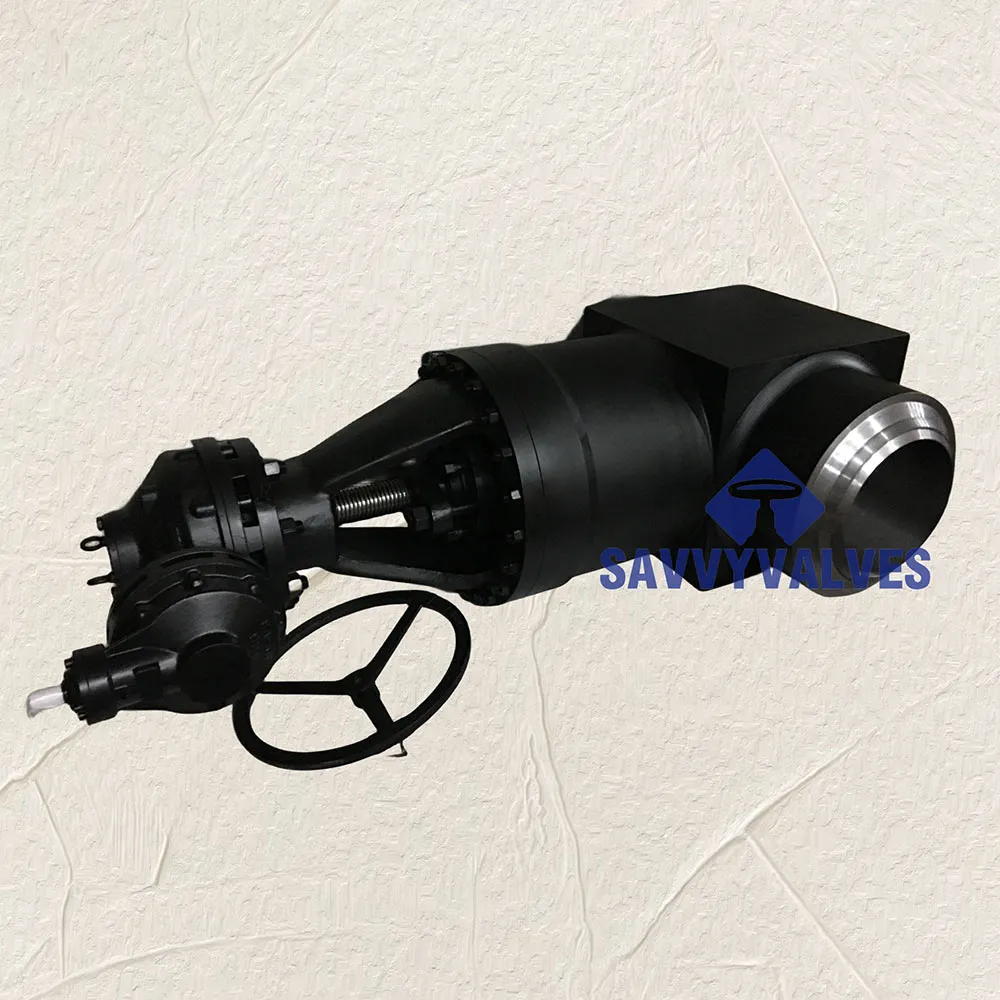
Introduction to Forged Steel Gate Valves In demanding industrial applications where reliability, durability, and precise flow control are paramount, the selection of high-performance valves is critical. The PSB Forged Steel Gate Valve stands as a testament to engineering excellence, designed to meet the rigorous demands of various process industries. These valves are engineered for isolation servi
-
View More
In the modern industrial world, the role of a pressure control valve manufacturer has become increasingly vital. Pressure control valves are essential components in ensuring the safe and efficient operation of various fluid systems, including water, oil, steam, and gas pipelines. They help maintain consistent pressure levels, preventing overloading or sudden surges that could damage equipment or i
-
View More
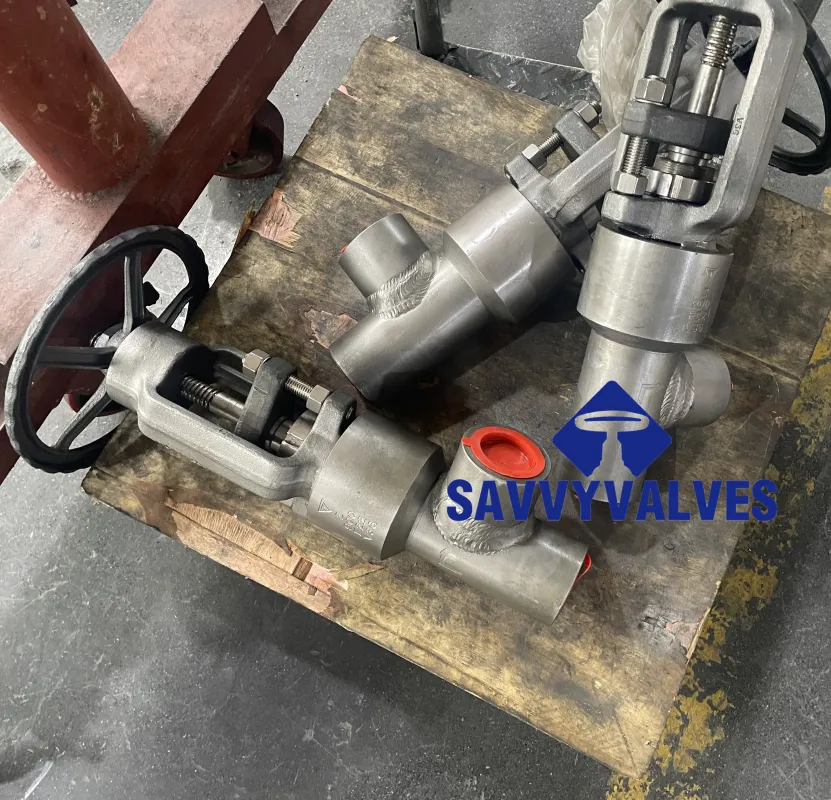
Introduction to Welded Body Y-Pattern Globe Valves In critical industrial applications where flow regulation, tight shut-off, and minimal pressure drop are paramount, the WELDED BODY Y-PATTERN GLOBE VALVE stands as a testament to advanced fluid control engineering. This valve type combines the efficient flow characteristics of a Y-pattern design with the robust integrity of a welded body, making i
-
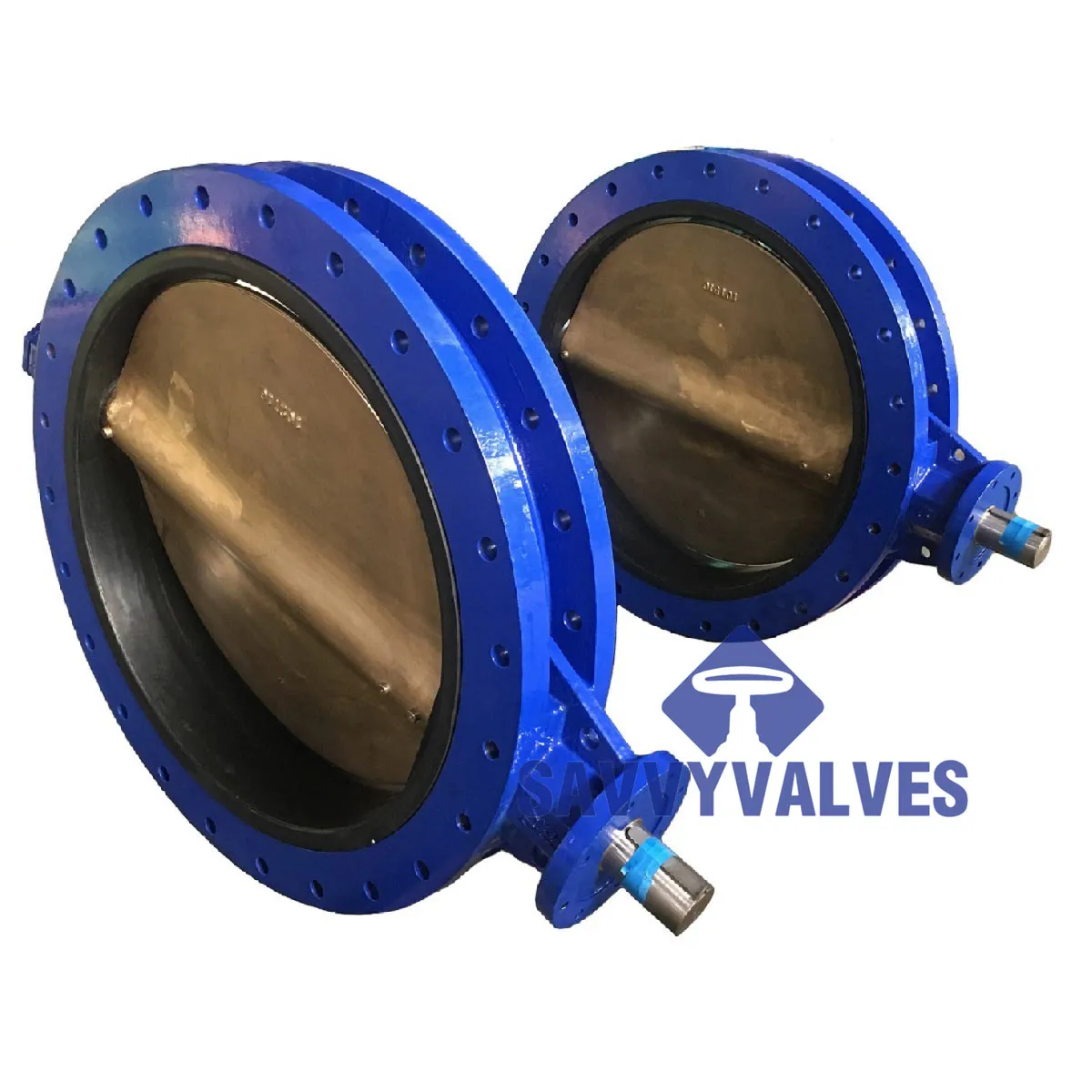
Understanding Wafer Style Butterfly Valves: An In-Depth B2B Perspective In the intricate world of industrial fluid control, the selection of the right valve is paramount to operational efficiency, safety, and cost-effectiveness. Among the myriad valve types, wafer style butterfly valves stand out as a highly versatile and widely adopted solution, particularly valued for their compact design, light
-
Floating ball valves are a key solution in the Mechanical equipment manufacturing industry, specifically within Manufacturing of fluid control equipment and Low temperature valve manufacturing. These essential components ensure precise flow control, particularly in demanding cryogenic environments. This article explores how SAVVY VALVES CO.,LTD. supports professionals with durable, high-performanc
-

Introduction to High-Performance Check Valves In critical industrial applications, the reliability and integrity of fluid control systems are paramount. Components must withstand extreme conditions, including high pressure, corrosive media, and fluctuating temperatures, while ensuring unidirectional flow and preventing backflow. The 2500LB LTCS Forged Steel Swing Check Valve stands as a testament
-
Aluminum Bronze Gate Valve - Superior Corrosion Resistance & Flow2026-04-02 19:04The Strategic Role of aluminum bronze gate valve in Critical Industrial Applications In the realm of
-
 Efficient Lug-Type Pneumatic Knife Gate Valve for Slurry & Pulp2026-04-02 16:43Introduction to Lug-Type Pneumatic Knife Gate Valves and Industry Trends In the realm of industrial
 -
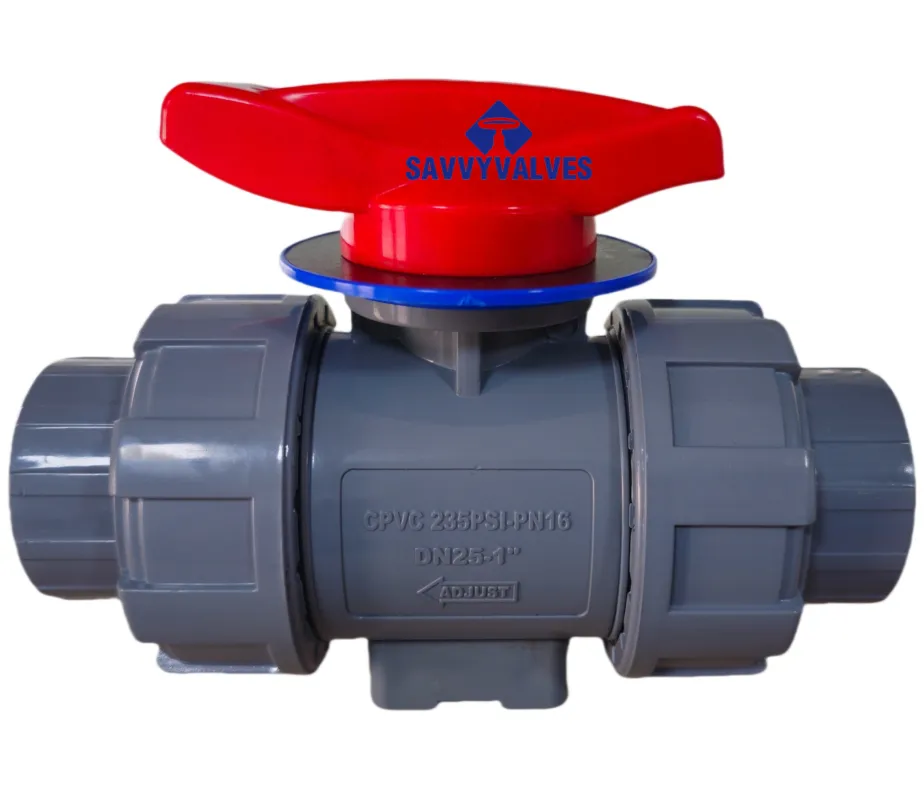 Durable Floating Ball Valve for Reliable Flow Control2026-04-02 16:18Floating ball valves are a key solution in the Mechanical equipment manufacturing industry, specific


In high-pressure pipeline systems across industries like oil and gas, chemical processing, and cryogenic storage, floating ball valve , cryogenic floating ball valve , and cryo ball valve are indispensable components for reliable fluid control. SAVVY VALVES CO.,LTD. specializes in manufacturing high-performance floating ball valves, including 2-piece cryogenic models, which are engineered to meet the rigorous demands of high-pressure and low-temperature environments, providing wholesalers with durable solutions for their industrial clients. 2-Piece Cryogenic Floating Ball Valve Specifications Table Specification Details SIZE 1-1/2″ RATING 150LB END FLANGED AS PER ASME B16.5 300LB TEMPERATURE -196 ℃ BODY AND BONNET ASTM A351 CF8M BALL ASTM A182 F316+HCR STEM ASTM A182 F316 SEAT SPRING ENERGIZED PCTFE ACTUATION LEVER Core Advantages of Floating Ball Valve in High-Pressure Pipelines Floating ball valve boasts a simple yet robust structure that excels in high-pressure pipelines. The key design feature is the "floating" ball, which is not fixed to the stem but is held in place by the valve seats. When the valve is closed, the high-pressure fluid pushes the ball against the downstream seat, creating a tight seal. This self-sealing mechanism eliminates the need for complex mechanical fasteners to secure the ball, reducing the number of components and potential failure points. For example, in oil and gas transmission pipelines operating at high pressures, the streamlined structure of floating ball valve minimizes pressure drop, ensuring efficient fluid flow while maintaining reliable sealing—critical for preventing costly leaks and ensuring operational safety. Another advantage is the excellent pressure resistance of floating ball valve , enabled by high-quality material selection. SAVVY VALVES CO.,LTD.'s floating ball valves, such as the 2-piece cryogenic model with ASTM A351 CF8M body and bonnet, utilize corrosion-resistant and high-strength alloys. CF8M (stainless steel 316L) offers superior resistance to oxidation and chemical corrosion, even under high-pressure conditions, extending the valve's service life. The ball, made of ASTM A182 F316+HCR (hard chrome plated 316 stainless steel), enhances surface hardness and wear resistance, ensuring the ball maintains its shape and sealing performance even after repeated opening and closing cycles. This durability makes floating ball valve a cost-effective choice for wholesalers, as it reduces maintenance frequency and replacement costs for end-users. Adaptability of Cryogenic Floating Ball Valve to Low-Temperature High-Pressure Environments Cryogenic floating ball valve (a specialized type of floating ball valve) is uniquely designed to thrive in low-temperature, high-pressure scenarios—an advantage that sets it apart from standard valves. One key feature is the use of cryogenic-resistant materials. SAVVY VALVES CO.,LTD.'s 2-piece model, rated for temperatures as low as -196 ℃, uses components that retain mechanical properties in extreme cold. The ASTM A182 F316 stem, for instance, maintains toughness and ductility at cryogenic temperatures, preventing brittleness and cracking—a common issue with inferior materials. The spring-energized PCTFE seat is another critical component: PCTFE (polytetrafluoroethylene) has excellent low-temperature flexibility, and the integrated spring ensures constant contact between the seat and ball, compensating for thermal contraction and maintaining a tight seal even as temperatures fluctuate. The structural design of cryogenic floating ball valve also addresses challenges specific to low-temperature high-pressure operations. The flanged end (per ASME B16.5 300LB) provides a secure connection to pipelines, preventing leakage at the joint even under thermal stress. The lever actuation system, featured in SAVVY VALVES CO.,LTD.'s model, offers precise control and easy operation, even when the valve is exposed to cryogenic temperatures—unlike automated actuators that may malfunction in extreme cold. Additionally, the 2-piece body design simplifies maintenance: the valve can be disassembled without removing the entire pipeline, allowing for seat or ball replacement in harsh environments, which is crucial for minimizing downtime in critical applications like liquefied natural gas (LNG) storage and transportation. Efficiency and Reliability of Cryo Ball Valve in High-Pressure Systems Cryo ball valve (a shorthand for cryogenic ball valve, often interchangeable with cryogenic floating ball valve ) delivers exceptional operational efficiency in high-pressure systems. Its quick-opening and closing capability—enabled by the lever actuation—reduces the time required to adjust fluid flow, which is vital in emergency scenarios, such as shutting off flow to prevent leaks or equipment damage. In chemical processing plants handling cryogenic fluids at high pressures, the fast response of cryo ball valve minimizes the risk of overpressure and ensures process stability. Reliability is another standout advantage of cryo ball valve . The combination of the floating ball's self-sealing mechanism and cryogenic-resistant components ensures consistent performance over time. SAVVY VALVES CO.,LTD.'s cryo ball valve undergoes rigorous testing, including pressure testing at rated pressure and leak testing at cryogenic temperatures, to verify sealing integrity. This reliability translates to lower operational risks for end-users and fewer warranty claims for wholesalers. Additionally, the low maintenance requirements of cryo ball valve —due to its simple structure and durable materials—make it a preferred choice for industries where downtime is costly, such as LNG terminals and pharmaceutical manufacturing (where high-pressure cryogenic processes are used for product preservation). Floating Ball Valve FAQS Why is floating ball valve suitable for high-pressure pipelines compared to other valve types? Floating ball valve is ideal for high-pressure pipelines due to its self-sealing mechanism and robust structure. Unlike gate valves or globe valves, which rely on mechanical pressure to force seals closed (increasing wear and failure risk under high pressure), the floating ball’s design uses fluid pressure to push the ball against the seat, creating a tighter seal as pressure increases. This self-reinforcing sealing reduces leakage risk. Additionally, the streamlined ball and minimal internal components of floating ball valve minimize pressure drop, improving flow efficiency—critical for high-pressure systems where energy waste is costly. SAVVY VALVES CO.,LTD.’s use of high-strength materials further enhances pressure resistance, making it a reliable choice. What makes cryogenic floating ball valve different from standard floating ball valves? The key differences lie in material selection and structural adaptations for low temperatures. Cryogenic floating ball valve uses cryogenic-resistant materials (e.g., ASTM A351 CF8M body, spring-energized PCTFE seats) that retain toughness and sealing performance at temperatures as low as -196 ℃, whereas standard floating ball valves may use materials that become brittle or lose flexibility in cold conditions. Additionally, cryogenic floating ball valve often includes features like extended bonnets (to protect actuators from cold) or spring-energized seats (to compensate for thermal contraction)—designs absent in standard models. SAVVY VALVES CO.,LTD.’s 2-piece cryogenic model, for example, is engineered specifically for these extreme conditions, ensuring reliability where standard valves would fail. How does the spring-energized PCTFE seat in cryo ball valve enhance sealing performance? The spring-energized PCTFE seat in cryo ball valve addresses two critical challenges of cryogenic high-pressure environments: thermal contraction and low-temperature flexibility. PCTFE itself maintains flexibility at -196 ℃, unlike other polymers that harden and crack. The integrated spring provides constant, uniform force against the ball, even as the seat contracts due to cold temperatures—preventing gaps that would cause leaks. In high-pressure systems, this spring force works with fluid pressure to create a dual-sealing effect, ensuring the seat remains in tight contact with the ball. SAVVY VALVES CO.,LTD.’s use of this seat design ensures cryo ball valve maintains sealing integrity in both static and dynamic (opening/closing) conditions. Can floating ball valve be customized for specific high-pressure applications? Yes, SAVVY VALVES CO.,LTD. offers customization options to tailor floating ball valve to specific high-pressure needs. Customizations include material adjustments (e.g., using superalloys for ultra-high pressures), end connections (e.g., welded instead of flanged for offshore pipelines), actuation systems (e.g., pneumatic or electric for remote operation), and pressure ratings (exceeding 150LB for specialized industrial use). For example, in offshore oil drilling, where pipelines face extreme pressure and corrosion, SAVVY can modify the valve’s body material to Hastelloy or Inconel and add corrosion-resistant coatings. Wholesalers can collaborate with SAVVY to meet end-users’ unique requirements, ensuring the valve fits seamlessly into their high-pressure systems. What maintenance steps are required for cryogenic floating ball valve in high-pressure service? Regular maintenance for cryogenic floating ball valve focuses on preserving sealing performance and material integrity. First, inspect the valve body and bonnet for signs of corrosion or cracks, especially in cryogenic environments where thermal cycling can stress materials. Second, check the seat and ball for wear—replace the spring-energized PCTFE seat if signs of hardening or damage are present (SAVVY provides replacement seats for their 2-piece model). Third, lubricate the stem and lever actuation system with cryogenic-compatible lubricants to prevent friction and ensure smooth operation. Finally, perform periodic pressure and leak tests (per industry standards) to verify sealing. These steps, when followed, extend the valve’s service life and ensure reliable performance in high-pressure cryogenic systems—benefiting both wholesalers (fewer returns) and end-users (reduced downtime).